Greater Manchester’s economy continues to outperform the national average, with an annual growth rate of 3.1%, more than double that of the UK.
This momentum has been bolstered by the recent launch of the Greater Manchester Combined Authority’s £1 billion Good Growth Fund, designed to address viability gaps in employment and residential developments across the region’s 10 boroughs.
The fund, introduced by Mayor Andy Burnham, aims to stimulate projects that might otherwise struggle to secure funding. It builds on a model of state-funded economic growth, including the Manchester Pension Fund and loans and grants, which has awarded £400 million to a range of projects. These include 660 affordable homes and 2 million square feet of employment space.
However, while public sector intervention is crucial, private investment remains indispensable. Sustainable, long-term regeneration relies on both sectors operating in tandem, each compensating for the other’s limitations.
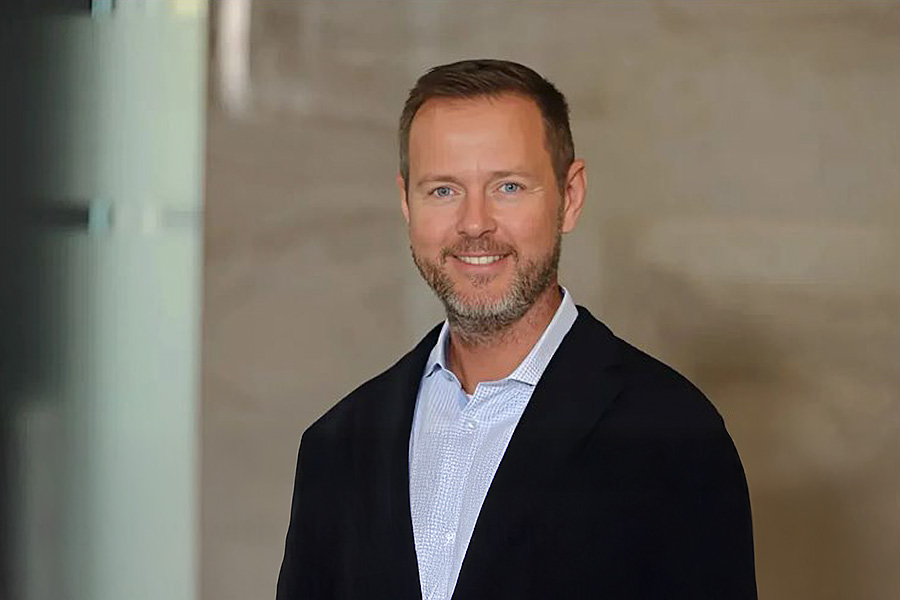
Ian Rickwood, Founder and CEO of Henley Investments, comments:
”But while state involvement is vital, private investment is equally indispensable. Sustainable, long-term regeneration depends on both sectors working in tandem, each bringing strengths that compensate for the limitations of the other.
Drawing on Henley’s experience in large-scale developments, Rickwood notes:
”In our experience of developing large-scale, housing-led communities, where at Ebbsfleet Garden City we are delivering 6,250 new homes on the site of a former chalk quarry and in Hammersmith where we are providing over 300 new homes on disused industrial land, close consultation with local authorities and wider stakeholders has been fundamental to our progress.
Henley is applying this approach in Greater Manchester:
”We are following this model in Greater Manchester, where we will be delivering the biggest single affordable housing development in Salford for a generation, and the largest in the region for over a decade, where we are working hand-in-glove with Salford City Council and the local community.
On the Regent Park scheme, Rickwood explains:
”Our approved scheme for Regent Park will deliver a new green and sustainable neighbourhood, a renewed local centre for Salford. Our plans recognise the importance of retail and services for the community, retaining significant enhanced provision that will cater to the needs of local people, while delivering much needed high-quality homes, including a significant proportion of affordable homes, a new park, a village square and community forum.
Community engagement is central to the process:
”Engaging with community is not a box-ticking or jump-through-hoops exercise to secure planning. It is an extensive, long-term commitment to fully engage with the community. We spent approaching three years talking and listening local residents and wider stakeholders in person and online which solicited 760 pieces of feedback.
Rickwood highlights the benefits of collaboration:
”Public-private collaboration often combines social objectives with commercial expertise, leading to developments that are both economically viable and socially beneficial. These hybrid projects can deliver affordable housing, cultural institutions, green infrastructure and inclusive public spaces, benefits the private sector can pursue more effectively when working with local authorities.
The scheme will also boost employment:
”Procurement can deliver. Our scheme will create over 1,000 new jobs and apprenticeships and is the largest council housing development in Salford for over 50 years.
Private involvement accelerates progress:
”Importantly, private involvement can accelerate regeneration. While public sector processes are typically slow due to regulation and oversight, private developers can move more quickly once planning approval is secured. This speed is critical in competitive global markets where cities must adapt rapidly to attract talent, tourism, and business activity. Areas that combine public vision with private momentum often see the fastest and most successful transformation.
Addressing housing shortages, Rickwood states:
”Salford Council's housing waiting list is over 5,000 and rising all the time, so the need to address this and deliver new homes is one of the most critical, pressing issues facing the region, as it is indeed the country.
”In essence, city-centre regeneration is too complex and costly for any single sector to tackle alone. Public investment creates the conditions for success, but private investment provides the capital, energy, and ongoing commitment that turn those conditions into vibrant, thriving places. When both sectors collaborate effectively, with each recognising the strengths of the other, cities are far more likely to achieve lasting, meaningful renewal.
Reflecting on the region, Rickwood observes:
”Greater Manchester is such a dynamic and diverse City region with a rich industrial history, known for its vibrant culture and strong sense of community.
He concludes:
”In order to succeed it requires a collaborative effort between public and private sectors to ensure in years to come we, to quote another musical Manchester icon, don't look back in anger.
The original CoStar News article: State involvement is vital but private investment is equally indispensable can be viewed here.
2nd December 2025